


The Violin Never Takes a Holiday: How to Maintain Your Playing Form During the Summer
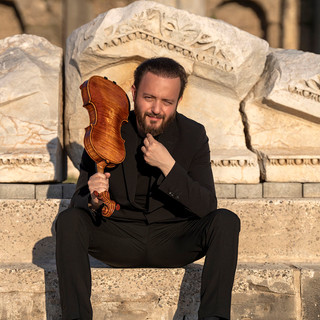

Summer is an important opportunity to rest, travel, and step away from the routines of a demanding season. For violinists, however, taking a summer break does not necessarily mean completely distancing themselves from the instrument.
Playing the violin requires physical coordination, attentive listening, and regular repetition. After several weeks without structured practice, violinists may notice a decline in fingerboard control, bow technique, intonation, and stamina. This does not mean that we need to practise for hours every day throughout the summer. A short but focused routine is often enough to maintain good technical form.
Can you take a break from the violin during the holidays?
After an intensive period of concerts, examinations, or lessons, a few days of rest can be beneficial for both the body and the mind. What matters most is the length of the break and the way you return to the instrument.
Attempting to resume your previous workload immediately after a long period without practice may place unnecessary strain on the shoulders, neck, back, and hands. Returning to the violin should therefore be a gradual process. Begin with shorter sessions and increase both the duration and technical intensity in a controlled manner.
Rest is not the opposite of progress. When planned well, it becomes an essential part of it.
You do not need to practise for hours every day
The main objective of summer practice does not always have to be completing a new and demanding piece of repertoire. Sometimes, the most sensible goal is simply to maintain your existing technical level and physical connection with the instrument.
Even 20–30 minutes of focused practice can be more productive than a long, unstructured session. What matters is not only how long you practise, but how you use that time.
A short summer practice session might be organised as follows:
5 minutes: Physical preparation, open strings, and relaxed bowing
10 minutes: Scales, intonation, and basic left-hand exercises
10 minutes: An étude or a technically challenging passage
5–10 minutes: A favourite piece or a review of familiar repertoire
This routine should be adapted according to the student’s age, level, and goals. Naturally, an advanced student pursuing a professional career will require a different practice plan from someone who plays the violin as a hobby.
Make maintaining your technique a summer priority
Summer offers a valuable opportunity to reassess fundamental technical habits that can sometimes be overlooked during intensive repertoire study.
Pay particular attention to:
The bow’s contact point on the string
The balance between bow speed and weight
Freedom and relaxation in the right shoulder and wrist
Avoiding unnecessary tension in the left hand
Clean intonation at a slow tempo
Fluidity in position changes
Rhythmic and controlled use of vibrato
Although these exercises may appear simple, they form the foundation for stronger, freer, and more confident playing in the new season.
Return to the music you love
Summer practice does not have to consist only of scales and études. Revisiting pieces you have previously learned and genuinely enjoy playing can strengthen your motivation and keep your connection with music alive.
When returning to a familiar work, do not focus solely on playing the correct notes. Ask yourself:
“How do I want this phrase to sound today?”
“Is the character of my sound clear enough?”
“Am I simply playing the music correctly, or am I truly communicating something?”
Technical practice should give us greater freedom; it should never stand in the way of musical thought.
Practising the violin while travelling
When travelling, ideal practice conditions may not always be available. Instead of thinking, “If the conditions are not perfect, I should not practise at all,” try to make use of what is available.
Even when you cannot take your violin with you, you can study the score, listen to different interpretations, analyse rhythms, or work through difficult passages mentally. This kind of practice cannot fully replace playing the instrument, but it can help your musical development continue.
If you are travelling with your violin, protect it from direct sunlight, extreme heat, and sudden temperature changes. Never leave the instrument inside a parked vehicle, especially during the summer.
How should you begin after a long break?
If you have not played the violin for several weeks, do not expect to return immediately to your previous performance level. Give your fingers, muscles, and concentration time to readjust.
Your first practice session might follow this sequence:
Long, relaxed bows on open strings
A slow scale
Simple finger exercises
An easy piece you have played before
A short, controlled session followed by rest
Feeling stiff or less responsive during the first few days does not mean that you have lost your ability. In most cases, it is simply your body going through the process of remembering. With patience and regular practice, control will return.
August is the beginning of the new season
Many students think that the new season begins in September. For a violinist who wants to start September in strong form, however, preparation should begin in August.
During August, you can:
Identify technical areas that need improvement
Select repertoire for the new season
Re-establish a daily practice routine
Set short- and long-term goals
Plan your lesson schedule and upcoming performances
This allows you to spend September progressing technically and musically, rather than merely trying to regain your previous form.
Conclusion: The violin never takes a holiday, but the way we practise can change
Practising the violin during the summer does not mean giving up your holiday. The real aim is to establish a sustainable balance between rest, life, and artistic development.
Sometimes, 30 minutes of focused practice is more valuable than several hours of aimless repetition. As long as you maintain your connection with the instrument, listen to your body, and practise with clear objectives, you can begin the new season feeling prepared and confident.
True progress on the violin does not come only from practising more. It comes from understanding what we practise, why we practise it, and how we practise it.
Can Özhan Violinist and Violin Educator


Comments